.jpg?width=2000&height=1335&name=Tyl%C3%B6%20Karlatornet-301%20(1).jpg "Tylö sauna")
Building a sauna is a dream project for many, but without proper planning, it can quickly become a source of frustration, unexpected costs and a disappointing experience. Here are the most common mistakes we see and how to avoid them.
-
Poor ventilation
Ventilation is crucial for both safety and comfort. A sauna should always use natural draught ventilation, with intake air located beneath the heater and exhaust air vented high on the opposite wall, into the same room, not outdoors. Poor ventilation can trigger the safety shut-off, cause uneven heat and, in the worst case, pose a fire risk.
-
Ceilings that are too high
It might feel spacious, but a ceiling height above 220 cm makes the sauna harder to heat. The optimal height is between 190 and 220 cm, with no more than 130 cm between the upper bench and the ceiling.
-
Incorrect placement of door and heater
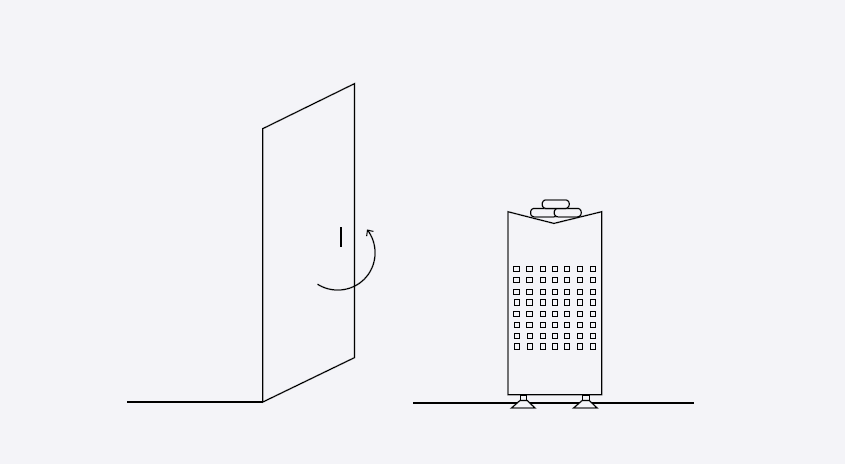
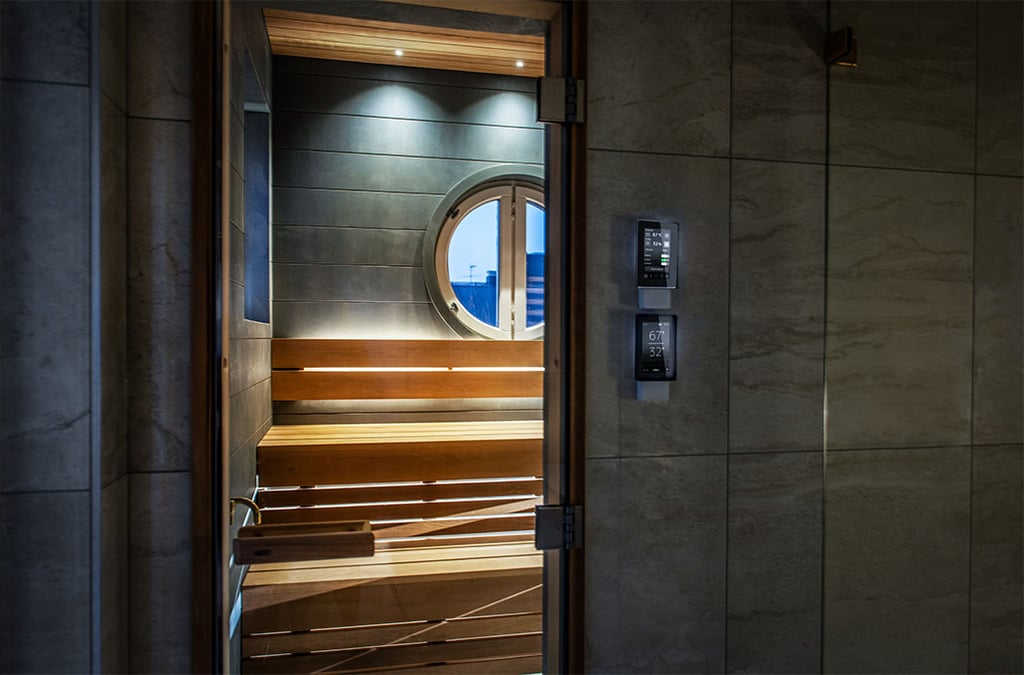
The air circulation from the door should work together with the heat from the heater. For this reason, both should be placed on the same wall or, if necessary, on adjacent walls close to each other.
-
Inadequate insulation
A sauna must be built as a room within a room. An air gap of around 20 mm against any outer wall is essential, along with a minimum of 45 mm of mineral wool insulation behind the wood panelling. Without this, the sauna will lose heat and become inefficient.
-
Unsuitable wall and ceiling materials
Many use materials that cannot withstand the high temperatures of a sauna. Avoid plasterboard, chipboard, OSB or glued wood composites. These may emit odours, release harmful substances or lose their structural integrity under heat. Choose wood panelling made of aspen, alder, spruce, thermo treated wood, driftwood or Taika panels.
-
Incorrect heater output
It’s not enough to calculate the sauna's volume. If you have glass walls or heavy materials such as stone or tiles, you need to add 1 to 2 cubic metres to the sauna volume per square metre of these surfaces. It takes significantly more energy to heat up surfaces than air.
-
Overuse of heavy construction materials
A sauna should be easy to heat. The walls and interior should consist of materials that conduct heat quickly. If the sauna is built with large areas of tile, stone or glass, it becomes much harder to reach the desired temperature. In cases where the walls are made of solid stone, brick or concrete, it may be nearly impossible to heat the sauna effectively, regardless of the heater’s output. Opt for lighter materials like wood and keep heavier surfaces to a minimum.
.jpg?width=2000&height=1334&name=Sauna%20360-127%20(1).jpg)
-
Poor interior layout
The interior design, including benches, backrests and armrests, should always be planned at the end of the project, once the door, heater, ventilation and glass elements are positioned. This ensures optimal function, airflow and heating performance.
A common mistake is making benches too short. If you want to lie down, which many appreciate for relaxation, at least one bench should be around two metres long. Bench depth also affects comfort. A width of 45 to 60 cm provides good support.
The height from the floor to the lower bench, and between benches, should be approximately 40 to 45 cm to create an ergonomic and accessible seating position. The upper bench should not be placed too close to the ceiling. A distance of 110 to 130 cm ensures the heat feels pleasant rather than overwhelming.
Extra tip for long-term performance: Don’t forget the sauna stones
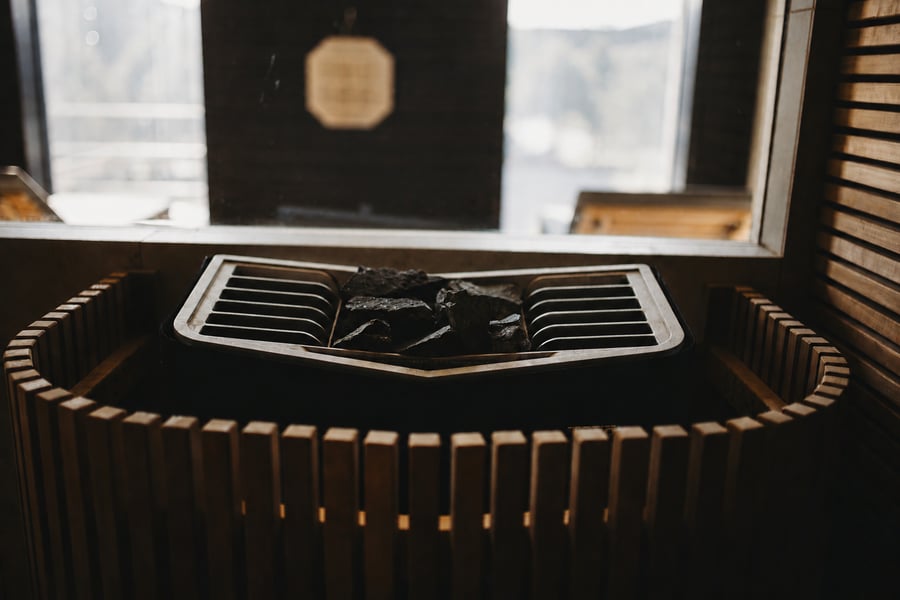
The stones inside the heater degrade over time and affect both heat distribution and the heater’s lifespan. When they begin to crumble, they can block airflow, causing uneven temperatures and increased strain on the unit.
A simple rule of thumb is to inspect the sauna stones as many times per year as you use the sauna per week. If you sauna twice a week, inspect the stones twice a year and replace any worn or damaged stones. In public or high-usage settings, more frequent inspections and stone replacement may be necessary.
By following these guidelines, you’ll build a sauna that not only looks inviting but also performs efficiently, maintains even heat and offers a truly restorative experience.
Want to get it right from the start?
-1.jpg?width=1024&height=1024&name=Sauna%20360-63%20(1)-1.jpg)
.jpg?width=1024&height=1024&name=Sauna%20360-33%20(1).jpg)